Good Morning America April 17: Trustee Sundas Hashmi talks with host Michael Strahan about brain cancer
Watch Good Morning America on Friday, April 17 to see OurBrainBank trustee Sundas Hashmi speak with host Michael Strahan about brain cancer


OurBrainBank is excited to be working with Harvard scientists on a project that will effortlessly generate valuable data directly from volunteers. We’re proud to partner with neuro-oncologists at the Dana-Farber Cancer Institute, Brigham and Women’s Hospital, and data scientists at the Onnela Lab at the Harvard T.H. Chan School of Public Health.
DANO-GBM (Digital Assessment Neuro-Oncology for Glioblastoma) uses “passive data” — that is, data automatically generated on smart phones — that can be used to assess mobility, sociability, and other health and mood indicators. “Digital Phenotyping” is the “moment-by-moment quantification of the individual-level human phenotype in-situ using data from personal digital devices.”
We’re all constantly generating data waiting to be captured and studied — e.g. the number and lengths of calls or texts, physical mobility, and sleep patterns. This donated data (anonymous and deidentified) can indicate how mobile we are, how connected we are to friends and family or, conversely, how isolated we are. Geotagging data, in particular, offers powerful insights into disruptions in daily routines — such as reduced location diversity or increased time spent at home — which may signal worsening health, mental well-being, or early signs of tumor progression. Ultimately, our vision is to potentially help patients and doctors predict tumor recurrence prior to physical symptoms or the next MRI.
Our study “Assessing isolation and social support of glioblastoma patients and caregivers through digital phenotyping” is intended to investigate if passively-generated data can better and more accurately assess conditions than the usual QOL (Quality of Life) tools such as PROs (Patient Reported Outcomes). PRO tools can be difficult for patients and caregivers and potentially inaccurate as they depend on subjective memory. The long-term goal is to improve how we monitor and support the well-being of GBM patients and care partners. If the study is successful, it will advance a novel, scalable approach to capturing accurate patient-centered outcomes.
People with GBM are often left out of discussions about their own health journey. Our goal is that the GBM patient voice is incorporated into all clinical trials, every aspect of research, and all stages of treatment development. We aim to fill a critical gap in understanding the disease course of GBM and improve quality of life for patients and caregivers alike.
We’re raised initial funding to launch this groundbreaking project, but additional support is essential so please consider a gift so we can continue.
OUR DATA MISSION
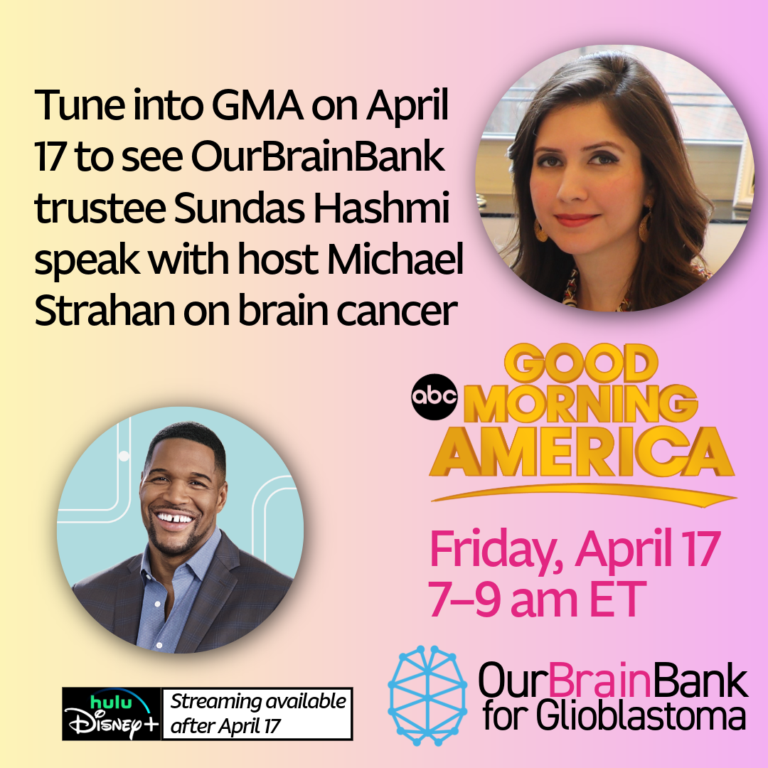
Watch Good Morning America on Friday, April 17 to see OurBrainBank trustee Sundas Hashmi speak with host Michael Strahan about brain cancer
Help us raise funds for glioblastoma research — we collect data for tomorrow and help people today
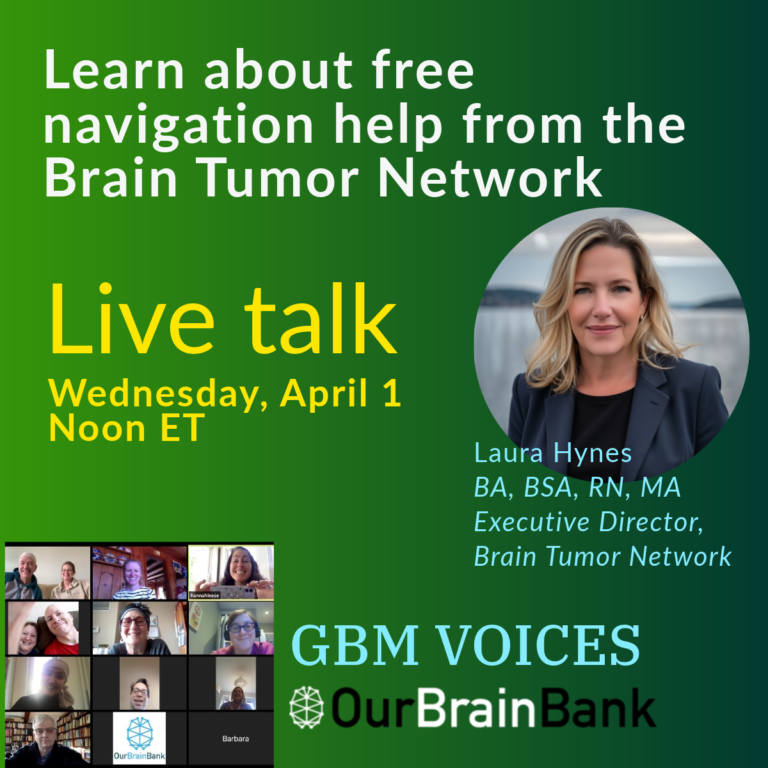
Navigators from the Brain Tumor Network can walk you through what to expect, how to ask about clinical trials, when to get a second opinion, and more
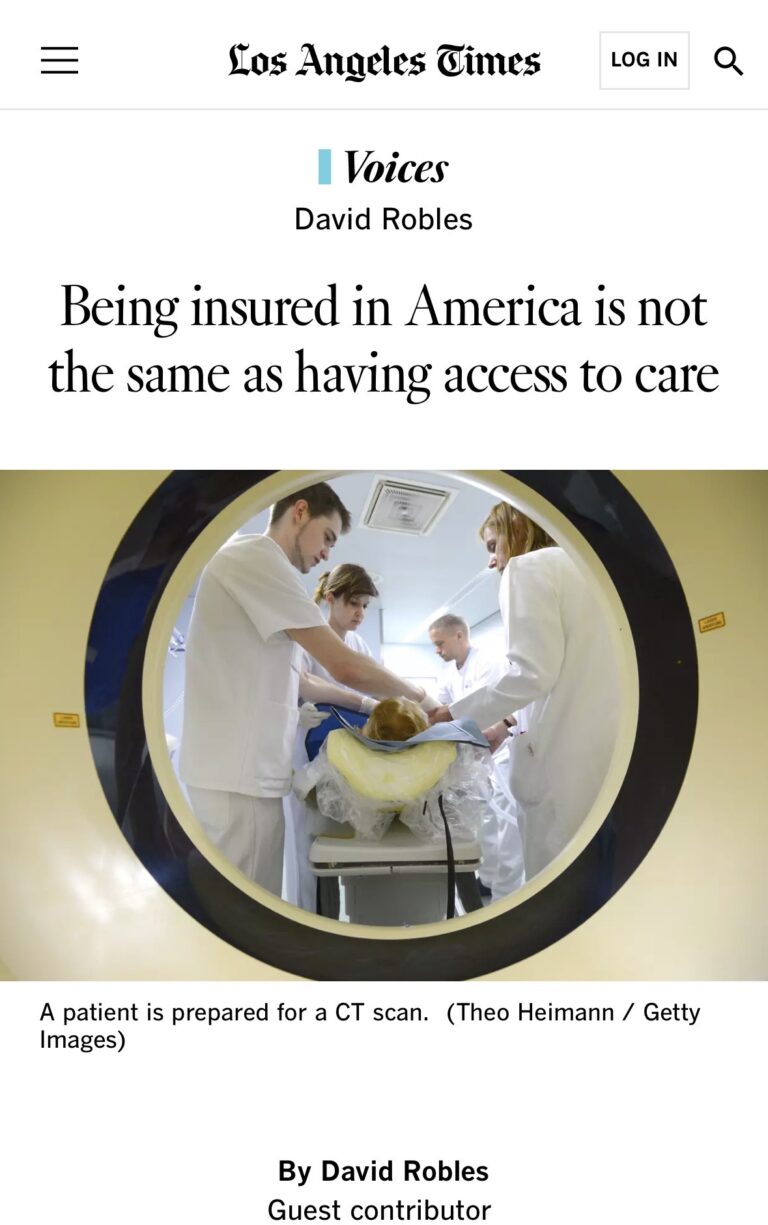
One family’s experience with a GBM diagnosis.
Ask your employer if they match charitable gifts, many do. Here’s the info you’ll need.
Watch Good Morning America on Friday, April 17 to see OurBrainBank trustee Sundas Hashmi speak with host Michael Strahan about brain cancer
Help us raise funds for glioblastoma research — we collect data for tomorrow and help people today
Navigators from the Brain Tumor Network can walk you through what to expect, how to ask about clinical trials, when to get a second opinion, and more
One family’s experience with a GBM diagnosis.
Ask your employer if they match charitable gifts, many do. Here’s the info you’ll need.