

LATEST NEWS
Are people living in rural areas getting optimal GBM care?
NEWS
Rural & Underserved GBM Inequities Survey
We want to reach patients missing from the data, so we’re expanding our national disparities research to reach rural and underserved families often left out of the picture.
In 2024–25, we surveyed over 500 patients and caregivers nationwide, uncovering serious gaps in care: 54% of respondents were never offered a second opinion, 34% were not informed about tumor testing, and fewer than half were offered a clinical trial. Rural voices were largely missing.
Phase 2 will focus on rural and underserved communities, documenting barriers to diagnosis, treatment, tumor testing, and clinical trials. Findings will expand OurDataBank, OBB’s HIPAA-compliant, open-access database, and be shared at major oncology conferences and in a peer-reviewed publication.
Where You Live Matters
Glioblastoma requires specialized, multidisciplinary care, yet access varies dramatically by geography. Patients in rural communities face measurable barriers in diagnostic timelines, specialty access, molecular testing, clinical trial discussions, and support services. These inequities are poorly captured in national datasets and remain insufficiently addressed.
Our Rural GBM Survey will generate patient- and caregiver-centered evidence to identify where inequities are and translate findings into actionable policy recommendations.
Where you live ought not determine the quality of your cancer care.
We need funds for this important project, so please consider a gift.
Your support will fund:
• HIPAA-compliant survey deployment
• Rural recruitment partnerships
• Secure data storage and analysis
• Policy-focused dissemination
• Peer-reviewed publication
Equity cannot improve if whole communities are invisible.
Help us raise funds and Demand More!
Help us raise funds for glioblastoma research — we collect data for tomorrow and help people today
Help us raise funds and Demand More!
Help us raise funds for glioblastoma research — we collect data for tomorrow and help people today
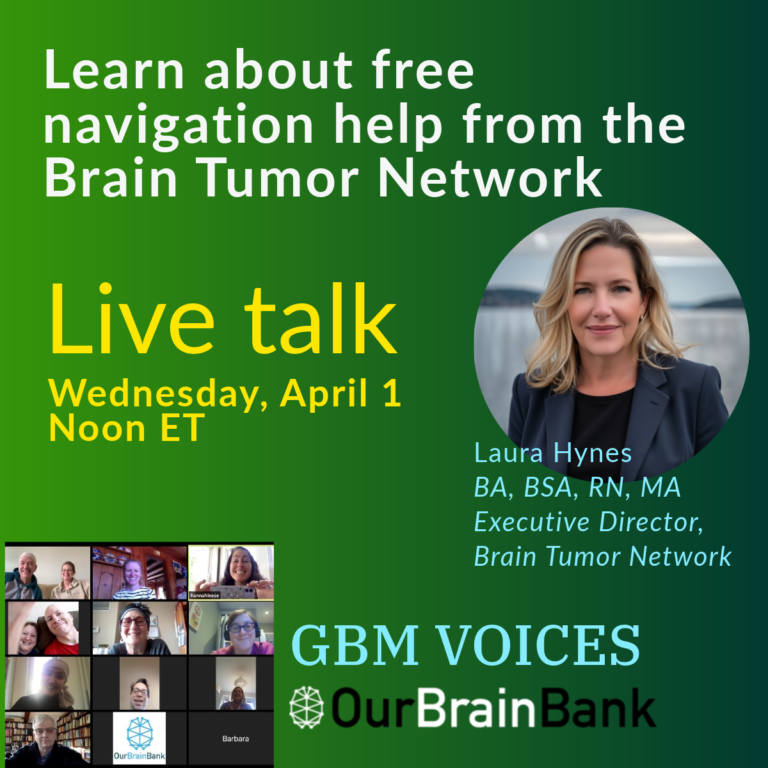
Live chat April 1st: free navigation from the Brain Tumor Network
Navigators from the Brain Tumor Network can walk you through what to expect, how to ask about clinical trials, when to get a second opinion, and more
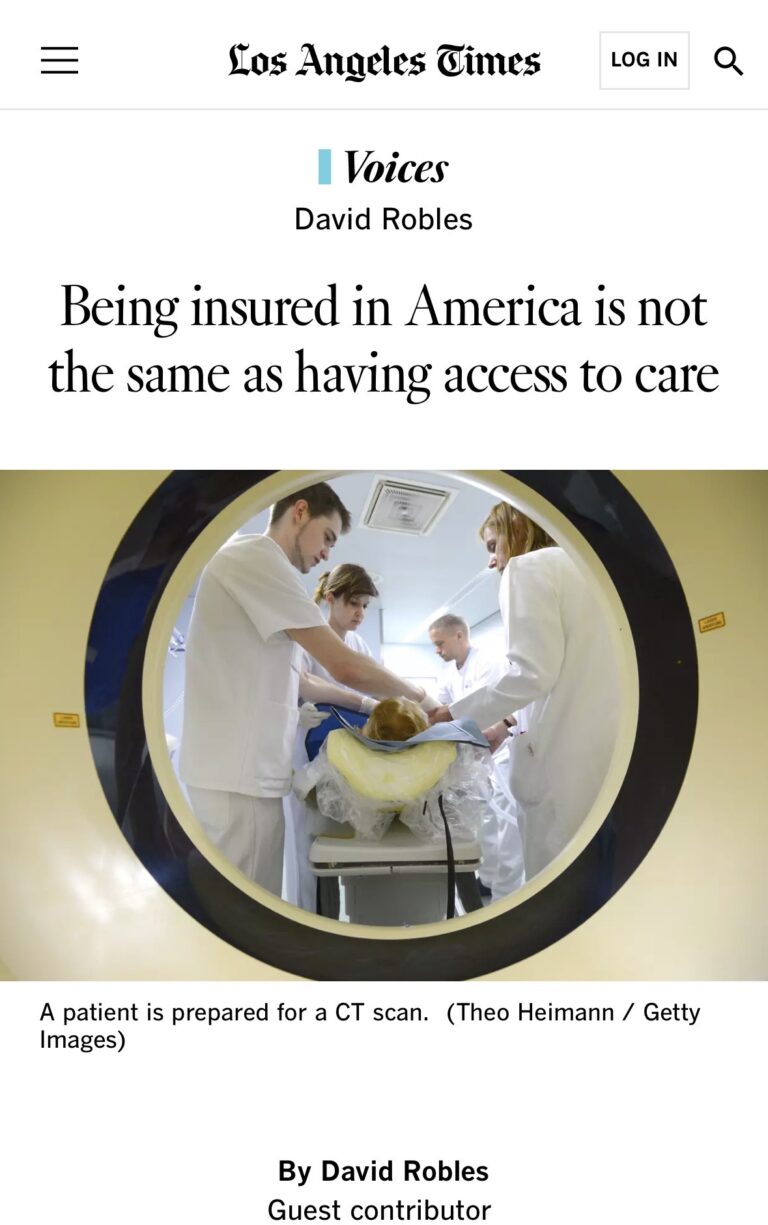
LA Times op-ed: “Being insured in America is not the same as having access to care”
One family’s experience with a GBM diagnosis.
Employer matching gifts?
Ask your employer if they match charitable gifts, many do. Here’s the info you’ll need.
LATEST NEWS.
Help us raise funds and Demand More!
Help us raise funds for glioblastoma research — we collect data for tomorrow and help people today
Help us raise funds and Demand More!
Help us raise funds for glioblastoma research — we collect data for tomorrow and help people today
Live chat April 1st: free navigation from the Brain Tumor Network
Navigators from the Brain Tumor Network can walk you through what to expect, how to ask about clinical trials, when to get a second opinion, and more
LA Times op-ed: “Being insured in America is not the same as having access to care”
One family’s experience with a GBM diagnosis.
Employer matching gifts?
Ask your employer if they match charitable gifts, many do. Here’s the info you’ll need.